Strong passwords are your first and most important line of defence against cybercriminals, helping protect your personal data, finances and online identity. As automated attacks become more advanced, weak or predictable passwords remain one of the easiest ways for attackers to gain unauthorised access to accounts and sensitive information. The good news is that a few smart password habits can significantly reduce your risk and make a real difference to your online security.
Key Reasons for Using Strong Passwords
Blocks unauthorised access
- Weak passwords make it easy for cybercriminals to access your accounts, emails, and files. Strong passwords significantly reduce the risk of unauthorised entry.
Prevents data theft
- Strong passwords help protect sensitive information such as banking details, personal records, and private data from being accessed or stolen.
Combats hacking techniques
- Cybercriminals use automated attacks like brute-force and dictionary attacks, as well as social engineering methods such as phishing. Strong passwords are harder to guess or crack.
Protects against breaches
- If a company you use is hacked, having a unique, strong password can stop attackers from using stolen credentials to access your other accounts (credential stuffing).
Reduces financial and identity risks
- Compromised accounts can lead to financial loss, blackmail, or identity theft, including criminals taking out loans or opening accounts in your name.
What Makes a Password Strong?
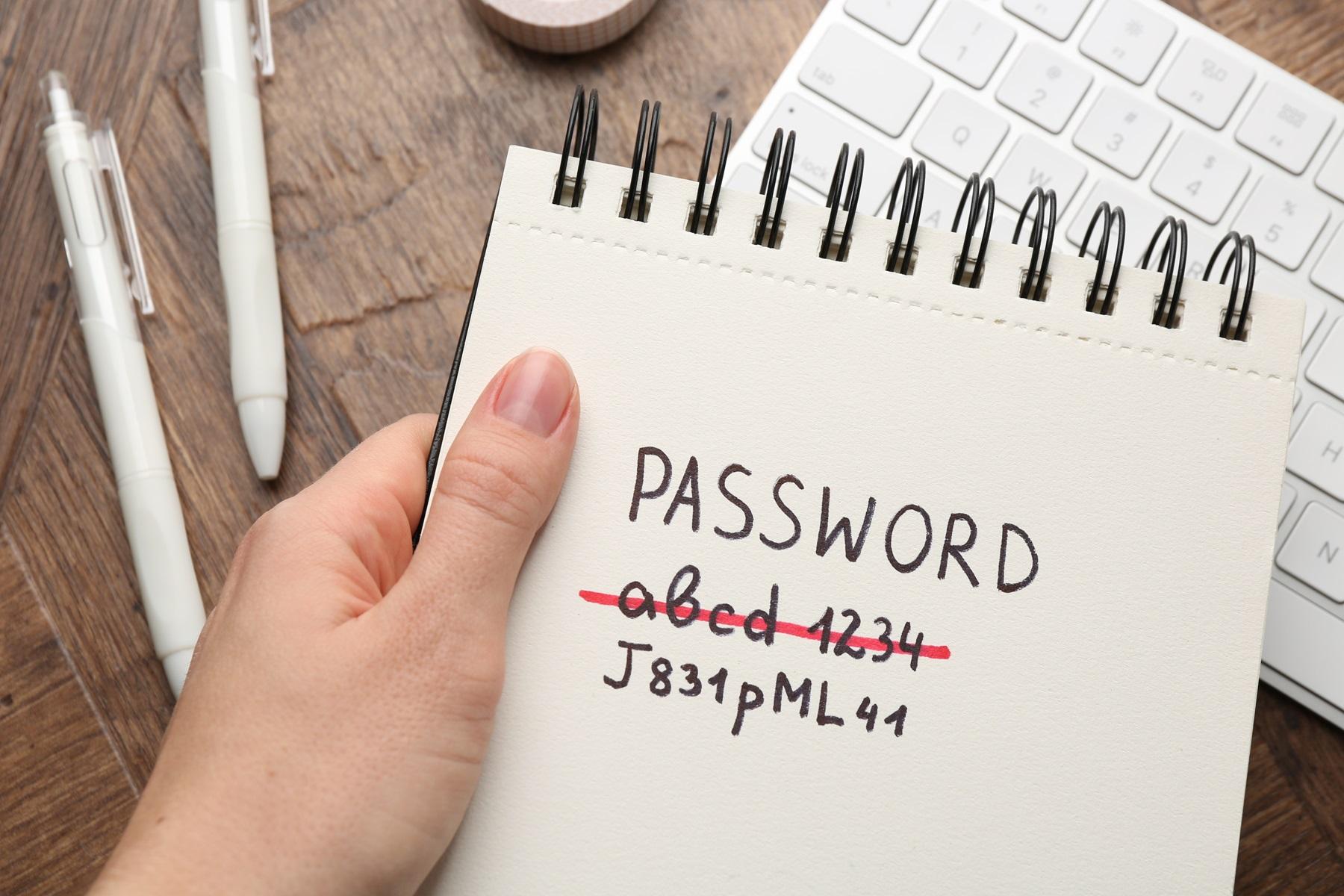
- Be at least 12 characters long, longer passwords are far harder to crack.
- Include a mix of uppercase and lowercase letters, numbers, and symbols.
- Avoid personal information like names, birthdays, or common words.
Consider using a password manager to create and store strong, unique passwords; tools like Trend Micro’s Password Generator can help you get started.
For an added layer of protection, consider using a passphrase instead of a password. Passwords are a string of characters while a passphrase is longer, more secure version using multiple random words.
Why Password Reuse Is One of the Biggest Mistakes
One of the most common habits is reusing the same password across multiple accounts. When one service is breached, attackers often test those same credentials elsewhere, hoping to gain access to email, social media, or financial accounts.
This domino effect is how small breaches turn into major personal security incidents. Unique passwords stop this chain reaction and limit the damage if one account is compromised.
Already a Trend Micro Customer?
Visit your Trend Micro Account to see if password management is included in your subscription.