Scams are evolving rapidly, and by 2026 they’ll look very different from the obvious, poorly written messages many people still associate with scams. Powered by AI and designed to exploit trust and emotion, modern scams are becoming harder to spot and easier to fall for.
Here are Trend Micro’s key scam predictions shaping what consumers can expect in 2026.
1. Scams will move across multiple platforms
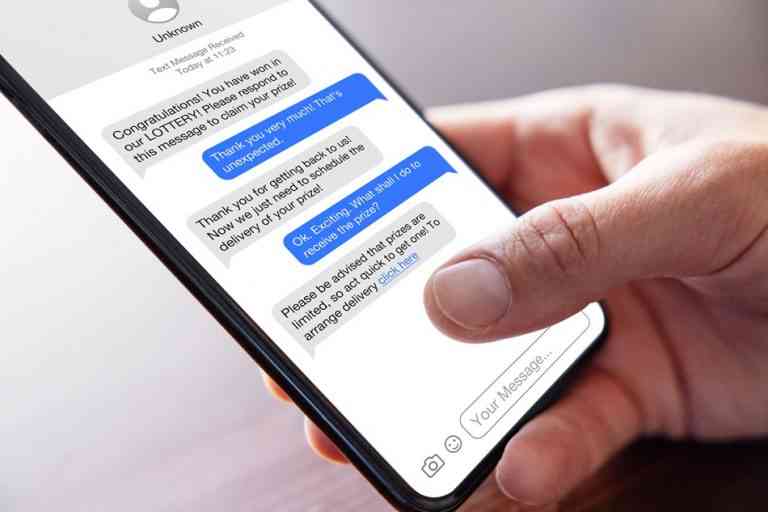
- In 2026, many scams will begin with a text or social message, shift to private chat apps like WhatsApp or Telegram, and end on a fake website or payment page. This multi-step approach helps scammers build trust over time and makes the interaction feel more legitimate.
2. Relationship and investment scams will drive the biggest losses
- Romance and investment scams are already the most financially damaging and they’re expected to escalate further in 2026.
- Scammers build emotional connections through dating apps or social platforms before introducing “exclusive” investment opportunities, often involving crypto or high-yield trading schemes. AI will increasingly be used to maintain these conversations at scale, making them harder to detect.
3. AI will power most scams
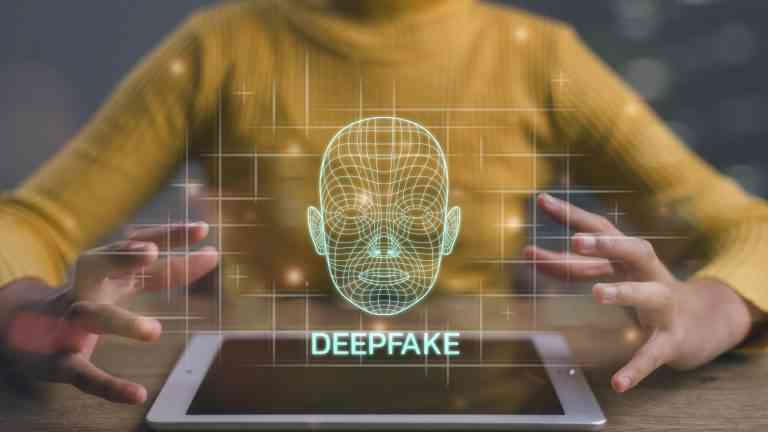
- By 2026, scammers are expected to use AI to generate convincing messages, personalise scams, clone voices, and adapt tactics in real time. As a result, traditional warning signs like spelling mistakes or awkward phrasing will be far less common.
4. Instant-payment fraud will surge
- As instant payments and peer-to-peer transfer apps become more widely used, scammers will increasingly target them.
- These scams manipulate victims into authorising payments themselves, often under pressure or urgency. Once the money is sent, it’s usually difficult or impossible to recover.
5. Delivery and billing scams will remain the most common
- Delivery issues, billing problems, and subscription renewal messages will continue to dominate by volume. These scams work because they blend into everyday life and push people to act quickly without stopping to verify.
What this means for consumers
By 2026, scams won’t always look suspicious. They’ll look familiar, polished, and urgent, often appearing across multiple platforms and mimicking trusted brands or contacts. Understanding how scams are evolving is one of the most effective ways to stay protected.
0 Comments
You Might Also Be Interested In...