The lead-up to Boxing Day is one of the busiest times of the year for online shopping. With sales everywhere and last-minute purchases piling up, shoppers are spending more time and money online. Scammers know this, and they use the chaos to lure people into fake online stores designed to steal money and personal details.
What Exactly Is a Fake Online Store?
A fake online store is a website designed to look like a legitimate online retailer, complete with product pages, branded logos and a checkout process, but its sole purpose is to scam you.
These sites often:
- Copy branding, product images or customer reviews
- Use web addresses that closely mimic real retailers
- Advertise prices that are unrealistically low
- Limit payment options to unsecure or non-refundable methods
- Provide little to no genuine contact or policy information
5 Clear Signs to Spot a Fake Online Store
1. Too-Good-To-Be-True Prices
- If the discounts are larger than everywhere else, treat them with suspicion. Scammers use jaw-dropping prices to lure impulse buys.
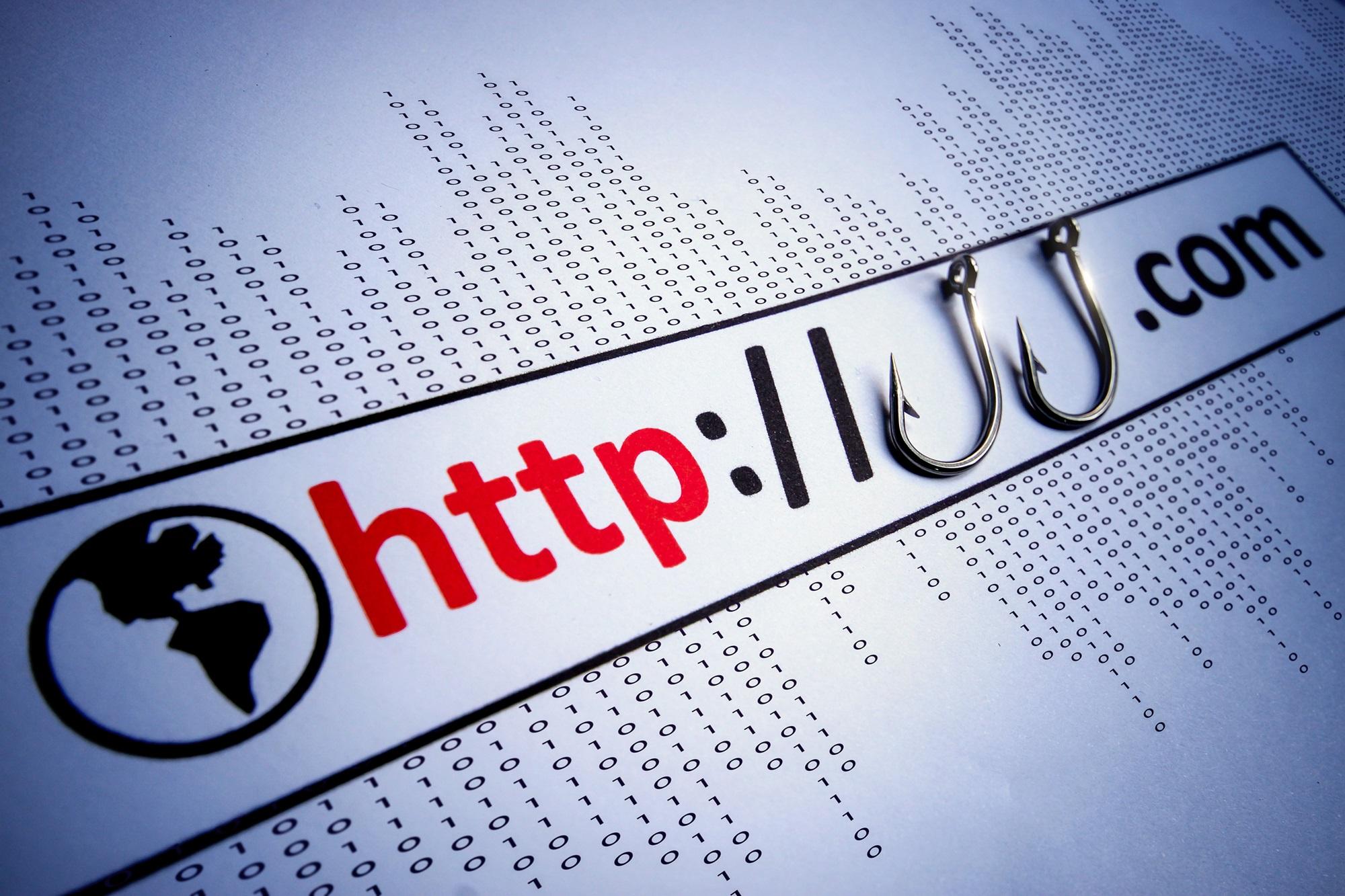
2. Suspicious Website URL’s
- Fake sites often use domains that mimic real brands (e.g., “amaz0n-sale.com”). Look for misspellings and extra words.
3. Poor or No Reviews
- Beware of reviews that all sound generic or overly positive, or sites with no reviews at all. Verify feedback on independent platforms.
4. Missing or Fake Contact Info
- Legitimate shops list physical addresses or working phone numbers. If you can’t find reliable contact details, click away.
5. Unusual Payment Methods
- Scammers prefer payment methods that are hard to reverse, gift cards, wire transfers, and crypto. A trusted site will offer secure credit card or PayPal options.
What to Do If You’ve Fallen for a Fake Online Store
- Contact Your Payment Provider
- Your first step should be to contact the payment provider you used, not the fake store itself.
- Report the transaction as soon as possible and ask about refund or dispute options, as most providers have strict time limits for taking action.
- Avoid relying on the fake store to resolve the issue. Scam sites often delay responses or disappear entirely once payment has been taken.
- Gather Your Evidence
- Collect and save anything that supports your claim, including:
- Order confirmations or invoices
- Screenshots of the website and product listing
- Emails or messages exchanged with the seller
- Payment receipts or transaction records
- Report the Fake Store
- Report ads or profiles on the platform where you found the store (such as Facebook, Instagram, or search ads).
- Leave a warning review on trusted review sites to alert other shoppers.
- Notify consumer protection agencies or your country’s scam reporting service so the site can be investigated.
- Secure Your Accounts
- If you entered personal or payment details on the site:
- Change passwords on affected accounts
- Enable two-factor authentication where available
- Monitor bank statements for unusual activity
- Consider running a security scan on your device
1 Comments
- By Jan Howan | January 23, 2026