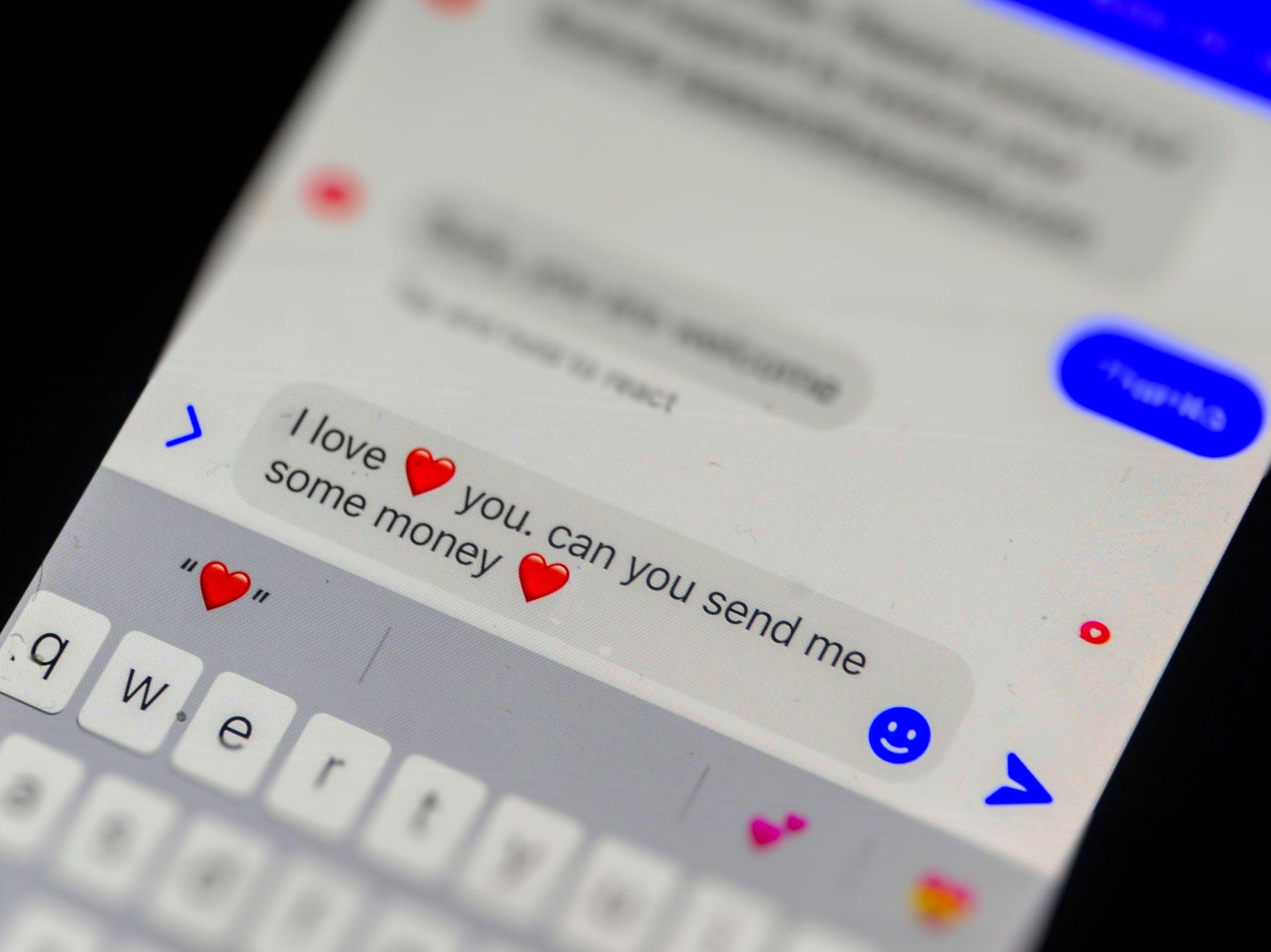
In 2025, we saw a noticeable rise in scams across Australia and New Zealand. Scammers became smarter, faster, and more convincing, making scams harder to spot. Here are the key scam types we saw this year and the red flags to look out for.
1. Romance Scams
Scammers often pretend to be looking for love or friendship on dating sites, social platforms, or messaging apps.
How it works
- Scammers quickly build trust by showing affection and communicating frequently.
- They avoid video calls or in-person meetings, always providing excuses.
- Once a connection is established, they request money for emergencies, travel expenses, or “investment opportunities.”
Red flags
- Overly fast emotional intimacy.
- Requests for money or gift cards.
- Refusal to meet in person or verify identity.
2. Investment Scams
These scams lure people with the promise of high or guaranteed returns, often involving cryptocurrency or “exclusive” opportunities.
How it works
- You may receive phone calls, emails, social ads, or messages claiming a high-profit investment.
- Scammers may provide fake dashboards, charts, or testimonials to appear legitimate.
- Once you deposit funds, access may be blocked, or you may be pressured to invest more.
Red flags
- Guaranteed or risk-free profits.
- Pressure to act quickly.
- Requests to transfer funds to unfamiliar accounts.
3. Shopping & Fake Seller Scams
These scams involve bogus online stores, fake marketplace listings, or offers that seem too good to be true.
How it works
- Scammers list products at extremely low prices or limited-time deals.
- Payment is requested upfront via insecure methods (bank transfer, gift cards, crypto).
- The item never arrives or is counterfeit, damaged, or different from the listing.
Red flags
- No reviews or unclear return/refund information.
- Prices dramatically below market value.
- Requests to pay outside secure platforms.
4. Job & Employment Scams
These target job seekers, students, or people looking for flexible income.
How it works
- Fake job ads offer high pay with minimal hours or skills required.
- Applicants may be asked to pay fees for equipment, onboarding, or training.
- Some roles involve handling or transferring money, which can be money laundering.
Red flags
- “Earn thousands from home” style promotions.
- Requests for upfront payment.
- No proper interview or company verification.
5. Prize & Lottery Scams
These will involve unsolicited messages that claim you’ve won a prize in a lottery or competition you didn’t enter. The scammers will then request a fee or tax payment to claim your winnings.
How it works
- A message says you’ve won something or have money waiting.
- You’re asked to pay processing fees or provide personal or banking information.
- Once payment or details are provided, communication stops.
Red flags
- Must pay to receive a prize.
- Messages that create urgency or secrecy.
- Requests for personal or financial information.
6. Impersonation Scams
Scammers pretend to be a trusted organisation such as a government agency, bank, or even a known contact.
How it works
- Messages mimic official language, branding, and tone.
- Caller-ID may be spoofed to look legitimate.
- You may be asked to verify details, reset a password, or click a link.
Red flags
- Unexpected contact requesting sensitive information.
- Messages threatening suspension, fines, or account lockouts.
- Requests to act immediately.
5 Simple Ways to Stay Safer Online
- Don’t trust appearances. Just because a message or ad looks real doesn’t mean it is. Take a second to verify links, senders, and claims.
- Avoid switching apps. If someone asks to switch platforms, pause and check things still feel genuine. Some scammers move conversations to avoid detection.
- Pause before you act. If it’s urgent or sounds too good to be true, it probably is.
- Use anti-scam software. A trusted security app like Trend Micro ScamCheck blocks spam and scam messages as well as unsafe websites.
- Stay up to date. Scammers constantly evolve their tactics, stay informed through trusted news sources and cybersecurity alerts.
Already a Trend Micro Customer?
Visit your Trend Micro Account to see if Trend Micro ScamCheck is included in your subscription.
2 Comments
- By Harry | January 26, 2026
- By Marilyn Hallett-O'Neill | January 25, 2026