October saw a 14% rise in SMS scams across Australia and New Zealand, with three types standing out as the most common: prize and lottery scams, fake charity appeals, and shopping scams. In this blog, we break down each scam type, show real examples of what these texts look like, and share practical steps to help you stay safe.
Prize & Lottery Scams
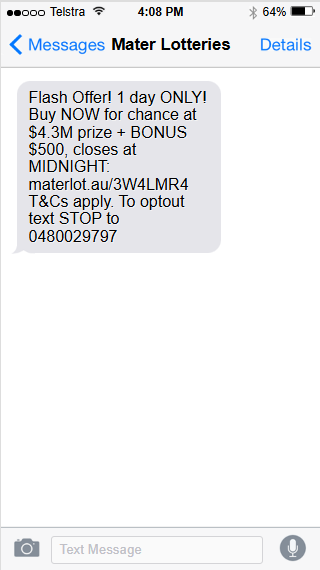
What this scam looks like
These texts usually drop an over-the-top offer, a “flash prize,” a last-chance giveaway, or even a multi-million-dollar win. The messages are designed to look exciting and urgent, pushing you to click a link to “claim now” or “secure your spot before it expires.”
Even though you never entered anything, the scam is crafted to make you feel like you’ve lucked into something huge.
Why people get caught out
These scams target that quick rush of excitement, the “what if this is real?” moment. When a message promises something massive and puts a countdown on it, it’s easy to tap without thinking, which is exactly what scammers want.
Fake Charity Appeals
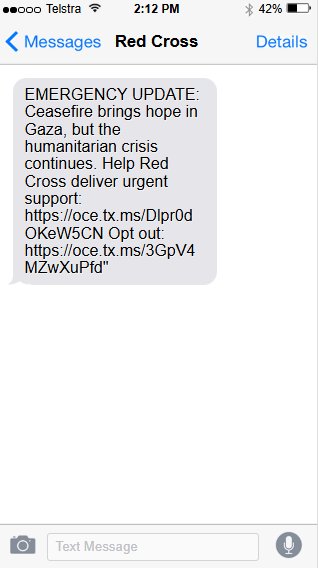
What this scam looks like
Scammers send texts pretending to represent legitimate aid organisations, often referencing real global events, to make the message feel urgent and credible. These texts use emotional language to push you into donating immediately, usually through an unverified link or payment page.
Why people get caught out
This type of scam taps into empathy. When a message mentions real suffering or a crisis you’ve seen in the news, it feels natural to want to help quickly. Scammers rely on that emotional reaction, and this “urgent donation” approach has become one of the most common modern scam techniques.
Shopping Scams
What this scam looks like
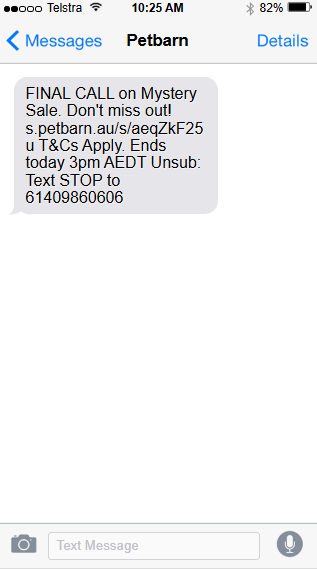
Scammers push out texts that look like last-minute sales alerts, exclusive deals, or “final call” promotions. They often mimic well-known retailers and use phrases like “ends tonight,” “VIP offer,” or “limited stock” to drive urgency. Some messages also offer fake raffle tickets, bonus gifts, or “exclusive SMS-only discounts” to lure people into clicking.
Why people get caught out
When big sales are happening, people expect genuine bargains and scammers use this to take advantage of that mindset. With so many real promotions floating around, fake deals blend in easily, making it harder to spot a scam immediately.
How to Protect Yourself
- Avoid interacting with suspicious messages.
- Don’t click links, open attachments, or reply (even with “STOP”).
- Responding can confirm your number is active and lead to more scam attempts.
- Verify the message independently through the organisation’s official website or a trusted phone number (not the one in the message).
- Look for red flags such as:
- Unexpected payment requests
- Spelling or grammar errors
- Unusual or unfamiliar sender details
- Urgent or pressure-filled language
- Use a security solution like Trend Mico ScamCheck that filters and blocks spam and scam messages.
Already a Trend Micro Customer?
Visit your Trend Micro Account to see you have ScamCheck included in your subscription.
0 Comments
You Might Also Be Interested In...