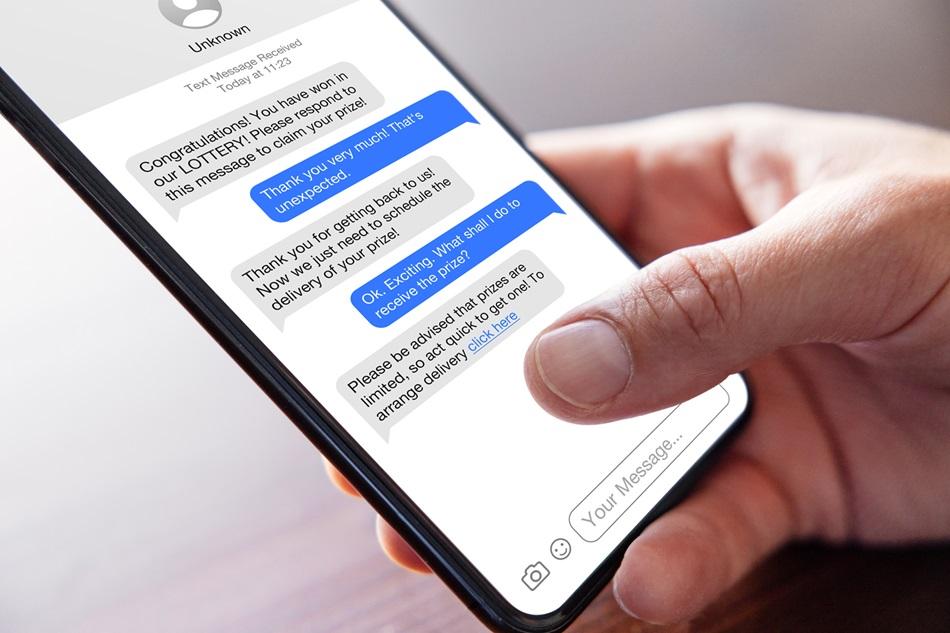
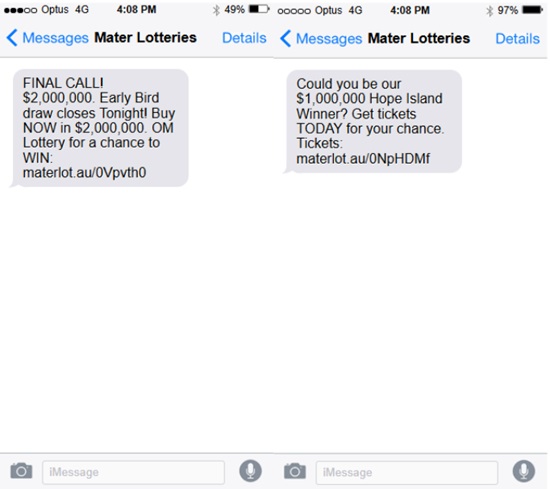
Lottery scams were prevalent in September, making up 38% of SMS scam reports across Australia and New Zealand. Posing as trusted names like Mater Lotteries, scammers used urgent messages such as “Buy Now” or “Final Call” to pressure victims into giving up money and personal details. While these messages often sound urgent, they display clear red flags that are easy to spot once you know what to look for. In this article, we break down how lottery scams work, the warning signs to watch for, and the practical ways to prevent them.
What are lottery scams?
Lottery scams are fraudulent messages that claim you should enter a lottery or that you’ve won a prize even though you might have never entered. Scammers use this false promise to lure victims into paying “fees” or sharing personal and financial information. These scams often arrive via SMS, email, or social media and can appear to come from legitimate organisations.
Key warning signs
- You never entered
- You receive a text, email, call, or letter claiming you’ve won a lottery you never signed up for.
- Upfront payment required
- The message asks you to pay “fees,” “taxes,” or “processing costs” before you can access your prize. Legitimate lotteries never ask for payment to release winnings.
- Requests for personal or financial details
- Scammers often ask for bank or credit card information under the guise of verifying your identity or transferring funds.
- Unrealistic prizes
- The offer promises huge sums of money, luxury cars, or dream holidays rewards that sound far too good to be true.
- Pretending to be official
- The sender claims to represent a well-known lottery to appear credible.
How to protect yourself
- Never send money or share bank details
- Genuine lotteries don’t charge fees or require payment to release prizes.
- Verify through official channels
- Don’t use links or phone numbers in suspicious messages. Visit the organisation’s verified website or contact them directly through publicly listed details.
- Do your homework
- Check whether the lottery or company is legitimate through your local consumer protection or fair-trading authority.
- Be cautious of unexpected contact
- Treat any unsolicited message claiming a win with skepticism, especially if it urges you to act fast.
- Use secure payment methods
- If you’re making a legitimate purchase, always pay with a credit card for added fraud protection and chargeback rights.
2 Comments
- By Carole Holland | December 1, 2025
- By Mohamed Abagombol | November 4, 2025
You Might Also Be Interested In...